¿Qué es realmente el clinch en Muay Thai?
Si ves suficiente Muay Thai, te fijarás en algo que siempre preguntan los aficionados que vienen del boxeo o del kickboxing occidental: dos luchadores pecho contra pecho, agarrados del cuello y los hombros, lanzándose rodillazos a corta distancia. Eso es el clinch, y no es una pausa en la acción. Es una fase completa del combate, con sus propias técnicas, su propia puntuación y su propia jerarquía de especialistas.
En tailandés, el agarre básico del clinch se llama chap kho, que significa literalmente «agarrar el cuello». La versión más reconocible de ese agarre, con las dos manos cerradas detrás de la cabeza del rival y los codos juntos para que los antebrazos presionen las clavículas, es lo que casi todo el mundo llama «el plum». Conviene separar los dos términos: el clinch es todo el intercambio de agarre a corta distancia, mientras que el plum es una posición concreta dentro de él. Se puede clinchar sin llegar nunca a cerrar un plum, y buena parte del clinch de alto nivel es una pelea por los agarres mucho antes de que ninguno de los dos llegue ahí.
Esta distancia existe porque el Muay Thai la permite. El boxeo corta cualquier contacto, y la mayoría de reglamentos de kickboxing hacen lo mismo. El Muay Thai no: el árbitro solo separa a dos luchadores en el clinch si ninguno de los dos está haciendo nada productivo con él. Esa única regla es la razón de que el clinch se convirtiera en una disciplina propia en Tailandia en lugar de en una nota al pie.
Los agarres que lo controlan todo
Antes de que caiga una sola rodilla o un solo codo, el clinch se gana o se pierde en la posición de agarre. Unos pocos deciden el combate más que ningún otro:
- El doble agarre de nuca (el plum): los dos brazos por encima de los hombros del rival, las manos apiladas detrás de la cabeza y los codos apretados hacia dentro. Es la posición dominante: controla la postura, anula la capacidad del rival de contragolpear con limpieza y prepara los rodillazos.
- El agarre simple de nuca: una mano detrás del cuello y la otra controlando el bíceps o la muñeca. Menos dominante que el plum pero más rápido de conseguir, y se usa mucho como agarre de transición mientras se pelea por el doble.
- Underhooks: los brazos pasados por debajo de las axilas del rival. Es sobre todo defensivo: impide que el otro te cierre un plum y abre la puerta a desequilibrarlo.
- Control de muñeca y brazo: atrapar las manos del rival contra su propio cuerpo para que no pueda hacer palanca ni golpear. Poco vistoso, pero suele ser lo que separa a los luchadores de clinch que parecen ir sobrados de los que acaban siempre desbordados por la fuerza.
La pelea de agarres en el clinch parece estática para el espectador ocasional, pero se parece más a una negociación constante. Cada fracción de segundo que uno no trabaja activamente la posición, el otro se la está quitando.
Qué pasa de verdad una vez estás ahí
El control solo vale por lo que permite. Desde una posición dominante de clinch entran en juego tres familias de técnicas:
Rodillas. Es el arma insignia del clinch. Un luchador con el plum cerrado puede tirar de la cabeza del rival hacia abajo y clavar una rodilla al cuerpo o, en los reglamentos que lo permiten, a la cabeza. Las rodillas pueden ir rectas por el centro, entrar en ángulo para buscar las costillas o lanzarse en combinaciones cortas y rápidas sin soltar el agarre en ningún momento, la seña de identidad de los luchadores que han construido todo su estilo en esta distancia.
Codos. El clinch es terreno ideal para los codazos porque la distancia ya es demasiado corta para un puñetazo limpio. Los luchadores usan palancas y underhooks para crear el hueco justo con el que sacar un codo corto hacia arriba o cruzado.
Desequilibrios y proyecciones. Los barridos y las zancadillas (llamados en general thuab) no necesitan ser espectaculares para funcionar. Romper la base del rival y ponerlo en la lona, aunque sea un instante, puntúa mucho y puede cambiar por completo la inercia del asalto.
Ninguna de estas técnicas existe aislada. Una rodilla que entra limpia suele hacerlo porque se ganó una pelea de agarres dos segundos antes, y una proyección suele funcionar porque el rival estaba tan ocupado defendiendo una rodilla que no notó que había perdido la base.
Cómo puntúan de verdad los jueces el trabajo de clinch
Aquí es donde más se pierde quien empieza a ver combates en un estadio tailandés, porque desde fuera el tiempo de clinch puede parecer un punto muerto cuando es todo lo contrario. Los jueces miran quién toma la iniciativa, quién controla la postura y quién mete las rodillas y los barridos más limpios, no quién clincha más tiempo. Un luchador que pasa dos minutos agarrado sin amenazar nunca con una rodilla o una zancadilla no saca nada de ahí, y el árbitro puede amonestarle por usar el clinch solo para parar el combate. Para ver cómo se puntúan los asaltos también fuera del clinch, nuestro desglose del sistema de puntuación del Muay Thai explica cómo se pesan patadas, rodillas y daño entre sí.
Muay Khao: el estilo construido entero sobre esta distancia
No todos los luchadores tratan el clinch como una herramienta más. Algunos construyen toda su carrera sobre él. Ese es el Muay Khao, el luchador de rodillas, uno de los ocho estilos reconocidos que repasamos en nuestra guía de estilos de pelea del Muay Thai, junto al Muay Plam, el Muay Sok y los demás.
El ejemplo más claro de lo que es el Muay Khao en su mejor versión es Dieselnoi Chor Thanasukarn, apodado «la rodilla que perfora el cielo». Aprovechando su altura para controlar en el plum a rivales más bajos, Dieselnoi llegó a ser tan dominante en el clinch durante su mejor época que acabó retirándose simplemente porque ya nadie de su categoría quería pelear con él. Su victoria de 1982 sobre Samart Payakaroon, considerado uno de los luchadores más dotados técnicamente que ha dado el deporte, sigue citándose como prueba de que dominar el clinch, por sí solo, puede vencer a casi cualquier cosa. Lo encontrarás entre los luchadores de nuestro repaso a las leyendas del Muay Thai.
Entrenar el clinch sin lesionarse
El clinch es una de las distancias con más riesgo de lesión si se aprende con prisas, sobre todo porque carga mucho el cuello y la zona lumbar. Al empezar, hay cosas que importan más de lo que la gente cree:
- El acondicionamiento de cuello y trapecio va antes del sparring intenso de clinch, no después. Que te zarandeen de la cabeza con el cuello sin preparar es la forma habitual de acabar parado.
- Empieza por la posición, no por la fuerza. La mayoría de gimnasios hacen que los principiantes trabajen la pelea de agarres y el desequilibrio prácticamente sin rodillas, para que ambos puedan centrarse en el juego de piernas y las palancas en lugar de solo aguantar el impacto.
- Habla con tu compañero. El sparring de clinch se acelera muy rápido si uno va más fuerte de lo acordado. Es una de las pocas distancias del Muay Thai donde el ego causa más lesiones que las carencias técnicas.
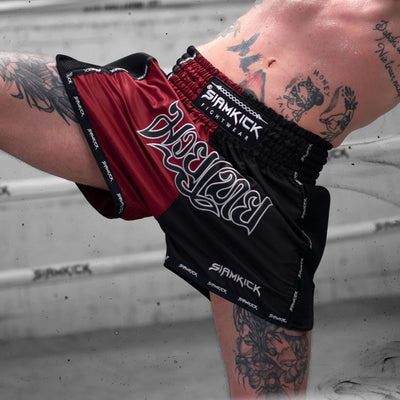
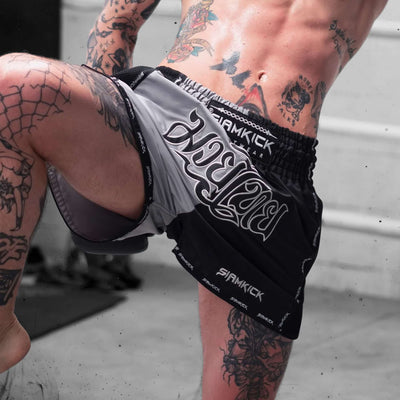
- Aquí el material importa más que en casi cualquier otra distancia. Las rodillas altas y la rotación constante de cadera en el clinch dejan en evidencia enseguida un pantalón mal cortado. Es una gran parte del motivo por el que los pantalones de Muay Thai están cortados como están: una cintura que aprieta o un dobladillo que tira en el muslo te estropearán la técnica de rodilla sin que te des cuenta de que la culpa es del pantalón.
Errores que casi todo el mundo comete al principio
Hay unos cuantos hábitos que aparecen en casi todos los que empiezan con el clinch. Tirar de la cabeza del rival en vertical en lugar de controlar su postura gasta energía y casi nunca abre un hueco real. Cuadrarse justo enfrente del rival en lugar de angular hace mucho más fácil que te metan rodillas de vuelta. Y salir de una mala posición bajando la cabeza es una de las formas más rápidas de comerse un codo. Ninguno es difícil de corregir. Es cuestión de repeticiones. El clinch premia el tiempo de tatami más que casi cualquier otra parte del deporte, porque gran parte de él va de reconocer patrones y no de talento físico.
Por qué vale la pena aprenderlo aunque no seas luchador de rodillas
No hace falta construir todo tu juego alrededor del clinch para sacarle partido. Incluso los luchadores con un estilo más cercano al Muay Mat o al Muay Femur acaban en el clinch constantemente, ya sea porque lo buscan o porque se defienden de quien lo busca. Saber controlar una pelea de agarres, proteger tu postura y salir limpio cuando no estás ganando el intercambio es una de esas habilidades poco vistosas que deciden en silencio muchos combates ajustados.