Pregunta a diez personas qué separa al Muay Thai de la MMA y casi todas dirán «uno tiene patadas y el otro derribos». No es realmente eso. Muchos luchadores de Muay Thai lanzan codos que terminarían un combate en cualquiera de los dos deportes, y muchos golpeadores de MMA construyeron todo su juego sobre el boxeo tailandés. La diferencia real no está en las técnicas. Está en el reglamento que hay debajo, y es más estricto de lo que la mayoría de quienes entrenan en un gimnasio imagina.
Si alguna vez te has preguntado por qué un combate de Muay Thai y un evento principal de UFC pueden parecer completamente distintos aunque los dos luchadores hayan entrenado en el mismo campo, esta es la razón.
El reglamento es la diferencia real
El Muay Thai se pelea en un ring, cinco asaltos de tres minutos, con dos minutos de descanso entre ellos. La MMA se pelea en una jaula, y el formato estándar son tres asaltos de cinco minutos en un combate normal y cinco asaltos en uno titular. Sobre el papel suman más o menos el mismo tiempo total, pero llegan ahí con ritmos distintos. Los asaltos más cortos y frecuentes del Muay Thai premian a quien encuentra pronto su distancia y construye la tarjeta asalto a asalto. Los asaltos largos de la MMA premian a quien controla el ritmo y sobrevive a los ajustes que hace el rival a mitad de asalto.
La puntuación diverge igual de mucho. Los jueces de Muay Thai puntúan el daño, el dominio y el control del ring, pero el trabajo de clinch y la técnica limpia pesan mucho aunque no haya derribo. Un luchador que controla el clinch y mete rodillas durante tres asaltos seguidos puede ganar sin haber hecho daño grave a su rival. Hemos desglosado cómo puntúan de verdad los jueces de Muay Thai si quieres los criterios completos. El arbitraje de MMA se apoya más en el golpeo efectivo, el control en el agarre y el control de la jaula, y un solo derribo o una posición dominante en el suelo puede pesar más que un asalto de golpes limpios de pie. Dos jueces viendo el mismo repertorio lo puntúan con criterios completamente distintos.
Codos: legales en los dos, pero no siempre el mismo codo
Los codos son el núcleo del Muay Thai. Codos diagonales, codos giratorios, codos cortantes en el clinch: no son golpes de adorno, son herramientas de puntuación básicas que los tailandeses entrenan desde niños. Nuestro análisis de los codazos en Muay Thai cubre las cinco variantes que más aparecen en combate.
La relación de la MMA con los codos ha sido en realidad más restrictiva. El codo 12-6, un golpe que baja en vertical y que toma su nombre de las posiciones del reloj, estuvo prohibido por las Reglas Unificadas de MMA desde el principio, en gran parte por miedo al tipo de fuerza descendente que podía dañar el hueso orbital o la columna. Esa prohibición se mantuvo más de dos décadas, hasta que la Asociación de Comisiones de Boxeo votó eliminarla en noviembre de 2024. Hasta esa votación, un codo completamente normal en un ring de Muay Thai podía suponer la descalificación de un luchador de MMA, que es exactamente lo que le pasó a Jon Jones en 2009 contra Matt Hamill, la única derrota de su carrera.
El clinch que casi nadie fuera de Tailandia entiende
Aquí es donde los dos deportes más se separan. En Muay Thai el clinch no es una pausa en la acción: es una fase que se espera que el luchador gane. Mientras haya trabajo real (rodillas, desequilibrios, intentos de codo), los árbitros lo dejan correr. Solo lo cortan si ambos se quedan parados unos segundos o si la postura de alguien se hunde hasta ser peligrosa. Los jueces premian el dominio en el clinch en la tarjeta igual que premiarían una combinación limpia, y a veces más, según quién puntúe. El clinch del Muay Thai, con sus agarres, rodillas y control, es una disciplina propia por algo.
En MMA, ese mismo agarre suele significar otra cosa: la antesala de un derribo. Los luchadores clinchan contra la jaula buscando un underhook o un agarre al cuerpo que puedan convertir en lucha, no para intercambiar rodillas durante treinta segundos. Un luchador de Muay Thai que entra en una jaula con hábitos puros de clinch tailandés, quedarse erguido, buscar rodillas, ignorar la amenaza de un derribo doble, acabará en el suelo ante cualquiera con base real de lucha. La técnica se traslada. La suposición de que el rival se quedará de pie, no.
La guardia delata el deporte
Mira los primeros diez segundos de cualquier combate y normalmente podrás adivinar qué deporte es antes de que caiga un solo golpe. Los luchadores de Muay Thai se colocan altos y de frente, con las caderas hacia delante y el peso centrado para poder bloquear una patada con cualquiera de las dos piernas y meter rodillas por ambos lados sin recolocar la base. Es una guardia hecha para un combate que se queda de pie y en distancia de patada. Los luchadores de MMA suelen colocarse de perfil, con un hombro adelantado, el peso algo atrás, las manos más cerca de la barbilla y las caderas anguladas para poder defender un derribo al instante. Ninguna guardia es incorrecta: son respuestas a amenazas distintas. El tailandés se pone de frente porque nadie va a por sus piernas, y el de MMA se pone de perfil porque probablemente alguien sí.
Rodillas a un rival derribado: una regla que el Muay Thai no necesita
Bajo las Reglas Unificadas de MMA, las rodillas a la cabeza de un rival derribado son ilegales, y la definición de «derribado» se actualizó hace poco para que cuente cualquier parte del cuerpo, salvo manos o pies, en contacto con la lona. Los codos a la cabeza de un rival derribado siguen permitidos. Es una regla estrecha y muy específica, construida entera alrededor de un escenario, el combate en el suelo, que en la práctica no existe en Muay Thai. Si un luchador de Muay Thai cae, el árbitro detiene la acción y se reanuda de pie, o el asalto termina con un derribo, igual que en boxeo. La MMA tuvo que legislar sobre el juego de suelo porque el deporte vive ahí. El Muay Thai nunca tuvo que hacerlo, porque nunca abandona los pies.
Qué se traslada de verdad a la jaula
Pese a todas estas diferencias, el Muay Thai sigue siendo una de las bases de golpeo más habituales entre los luchadores de MMA, y con razón. El control del clinch, la potencia de patada, la gestión de la distancia y el temple que da pelear cinco asaltos bajo presión se trasladan directamente. Stamp Fairtex es la prueba más clara de que ese cruce funciona al máximo nivel: se convirtió en la primera campeona mundial de tres deportes de ONE Championship, con títulos en Muay Thai, kickboxing y MMA, tras construir toda su base en el ring de Muay Thai.
Lo que no se traslada de forma automática es la defensa de derribos, la conciencia de la jaula y el instinto de mantener el combate de pie cuando el rival lo quiere en el suelo. Quienes cruzan con éxito suelen dedicar tiempo real a cerrar ese hueco en lugar de dar por hecho que su golpeo bastará.
El material importa más de lo que la gente cree
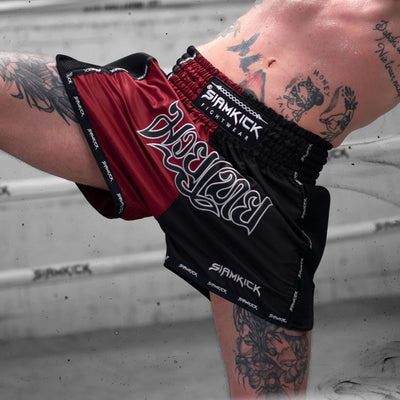
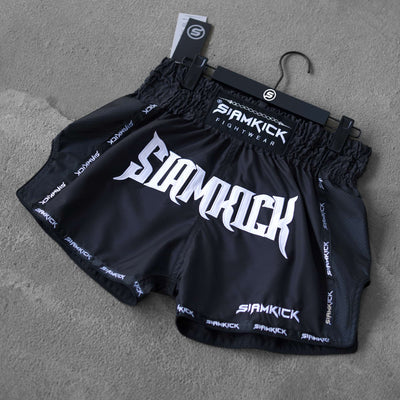
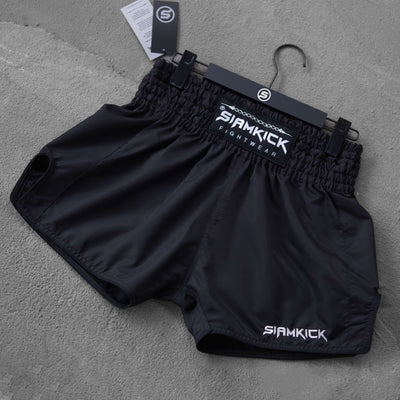
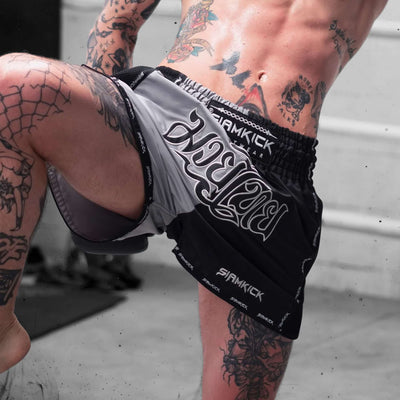
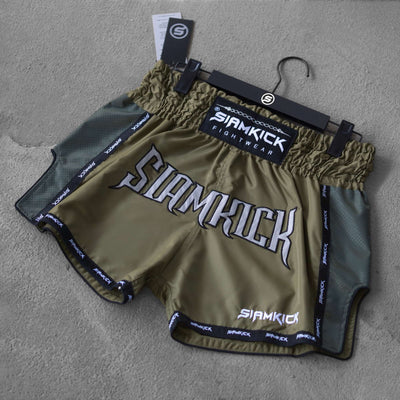
Las diferencias aparecen incluso en lo que visten los luchadores. Los pantalones de Muay Thai tradicionales se cortan altos y holgados en la cadera precisamente para permitir la elevación profunda de pierna que exigen las patadas circulares y las rodillas, sin que la tela oponga resistencia. Los pantalones de MMA se hacen más cortos y más ceñidos a la pierna para que no los agarren ni se enreden en un derribo o en un intercambio en el suelo. Quien entrena las dos disciplinas suele tener los dos cortes, no porque uno sea mejor que el otro, sino porque cada uno está hecho para el movimiento concreto que exige su deporte.
En resumen
El Muay Thai y la MMA no son niveles distintos del mismo deporte: son reglamentos distintos que comparten algunas herramientas. Los codos existen en los dos, pero la MMA se pasó más de veinte años restringiendo un tipo de codo que al Muay Thai nunca le pareció problemático. El clinch existe en los dos, pero un deporte premia quedarse en él y el otro te castiga por no ver venir el derribo. Nada de eso hace que uno sea «más difícil». Los hace construidos para preguntas distintas: quién gana de pie bajo reglas tailandesas, o quién gana en todos los sitios a los que puede ir el combate. Los luchadores que entienden a qué pregunta están respondiendo suelen ir bastante mejor que los que dan por hecho que los dos deportes son intercambiables.