Mira a un boxeador y a un luchador de Muay Thai calentando uno al lado del otro y la diferencia se nota antes de que ninguno lance un golpe. El boxeador se coloca de perfil, con el hombro apuntando hacia ti y las caderas giradas, como si guardara un secreto. El luchador de Muay Thai se coloca más de frente, con caderas y hombros más abiertos y el peso repartido por igual entre las dos piernas. No es una cuestión de estilo. Es una exigencia estructural del deporte, y es lo primero que cualquier entrenador en Tailandia corrige en un alumno nuevo antes de tocar un solo pao.
El motivo está en lo que cada deporte le pide al cuerpo. El boxeo es un juego solo de manos, así que una guardia de perfil, que convierte el cuerpo en un blanco más pequeño y carga la potencia en la mano atrasada, tiene sentido. Los luchadores de Muay Thai tienen que golpear con puños, patear, meter rodillas y codos, clinchar y barrer, a veces en el mismo intercambio, y eso obliga a que la guardia deje todas las armas disponibles a la vez. Si te giras demasiado de perfil, la pierna atrasada queda fuera de posición para patear. Si te colocas demasiado estrecho, un low kick a la pierna adelantada te dobla. La guardia del Muay Thai es un equilibrio pensado para el rango de movimiento, no para esconderse.
Cómo es la guardia en realidad
Quitando los matices de entrenador, la posición base es sencilla: pies aproximadamente a la anchura de los hombros, pie adelantado apuntando al rival y peso repartido casi por igual entre las dos piernas. Las rodillas quedan blandas, no bloqueadas. Las manos suben hasta que los pulgares quedan cerca de las cejas, con las palmas mirando una hacia la otra y no hacia tu propia frente, y los codos recogidos algo más abiertos que las manos para proteger las costillas. La barbilla baja hacia el pecho sin llegar a esconderse: sigues necesitando ver al que tienes delante.
Reparto del peso
Aquí es donde la mayoría de gimnasios pierde a los principiantes la primera semana. Si te inclinas demasiado adelante, un low kick a la pierna adelantada te llega antes de que puedas levantarla para bloquear. No hay tiempo de quitar peso de una pierna que ya está cargada. Si te sientas demasiado atrás sobre la pierna trasera, pierdes la capacidad de poner algo detrás de los puños y además estás a un empujón de perder el equilibrio. La corrección que usan los entrenadores: mantén el peso centrado, ligeramente sobre las puntas, para poder impulsarte en cualquier dirección sin un paso de aviso.
Manos y codos
La posición de las manos no es estética. Los pulgares a la altura de las cejas con los codos recogidos cierran los dos blancos más habituales al principio (la sien y el hígado) sin que tengas que pensarlo a mitad de intercambio. Un hueco entre los codos y las costillas es una invitación a un gancho o a una rodilla por el centro, y es de las cosas más fáciles de detectar para un rival desde el otro lado del ring.
Barbilla y cabeza
Barbilla baja, no barbilla enterrada. El objetivo es proteger la mandíbula sin sacrificar la visión: no puedes bloquear una patada que no viste venir. Aquí el enemigo real es el cansancio: las manos bajan según avanza el asalto, la barbilla vuelve a subir y los golpes que se habrían bloqueado en el primer asalto empiezan a entrar en el tercero. Esto es trabajo de memoria muscular, no algo que se arregle pensando más a mitad de combate.
De frente, pero no tanto
Esta es la parte que confunde a quien solo ha visto Muay Thai en YouTube: la guardia es más frontal que la del boxeo, pero colocarse totalmente de frente (pecho y caderas mirando al rival) es en sí mismo un error de principiante. Estar completamente cuadrado expone los dos lados del torso y hace más difícil pivotar hacia un ángulo. La guardia real queda en un ángulo ligero, en algún punto entre el perfil del boxeo y el frente total, con el pie adelantado girado lo justo para tener la espinilla lista para bloquear sin perder la capacidad de patear.
Ese ángulo intermedio es también lo que permite cambiar de guardia. Que pelees en zurda o en diestra no cambia la mecánica de fondo: es una imagen en espejo, y valen las mismas reglas de reparto de peso y de guardia. Lo que más importa es que la posición se mantenga lo bastante frontal como para que las dos piernas estén igual de disponibles para patear, meter rodilla o bloquear, que es justo el motivo de colocarse así.
La guardia no es fija: cambia con el estilo
Todo lo anterior describe la guardia base que un principiante entrena el primer día, pero es un punto de partida, no un reglamento que todos sigan igual. Un luchador de Muay Khao, muy centrado en el clinch, suele colocarse más estrecho y más cerca, con el peso adelante, preparado para acortar distancia y agarrar. Un estilista Muay Femur, construido sobre el juego de piernas y los contragolpes, se coloca algo más abierto, con el peso un poco más atrás, listo para pivotar en lugar de plantarse a intercambiar. Ninguno es incorrecto: son la misma base ajustada a un plan distinto. Analizamos estos estilos con más detalle en nuestra guía de estilos de pelea del Muay Thai, que merece la pena leer cuando la guardia base ya te salga sola.
Errores que hacen que a los principiantes les entren las patadas
Hay unos cuantos fallos que aparecen en casi todos los alumnos nuevos, y vale la pena nombrarlos porque casi todos se pueden corregir frente a un espejo antes de ponerse con un compañero:
- Colocarse totalmente de frente. Parece agresivo, pero solo abre los dos lados del cuerpo al ataque.
- Dejar el peso muerto en la pierna adelantada. Convierte esa pierna en un blanco fijo para los low kicks.
- Codos abiertos, lejos de las costillas. Deja el hígado y las costillas flotantes expuestos a ganchos y rodillas.
- Manos que bajan con el cansancio. El error más común, y el más difícil de corregir sin preparación física y repeticiones.
- Rodillas bloqueadas. Anulan la capacidad de moverte rápido en cualquier dirección y hacen que bloquear una patada sea más lento de lo que debería.
Entrenarla hasta que deje de ser una decisión
Nada de esto se fija leyendo. La guardia tiene que convertirse en la posición por defecto a la que tu cuerpo vuelve entre intercambios, y eso solo pasa con repetición: shadow boxing frente al espejo, mantener la guardia durante rondas de paos aunque te ardan los brazos, y tener a un entrenador o compañero corrigiéndote hasta que deje de hacer falta. La mayoría de gimnasios dedica buena parte del primer mes de un alumno solo a guardia y juego de piernas antes de meter combinaciones, y no es exagerado: es la base sobre la que se construye todo lo demás.
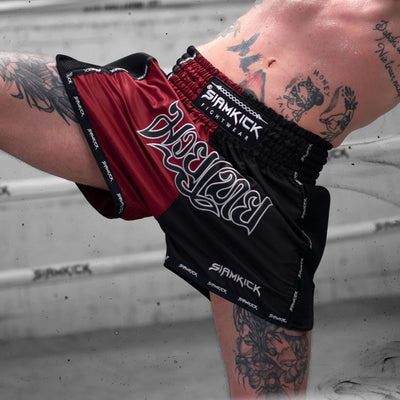
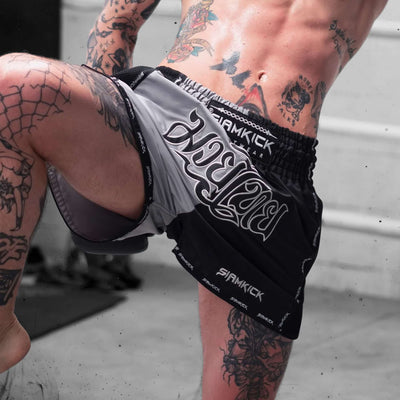
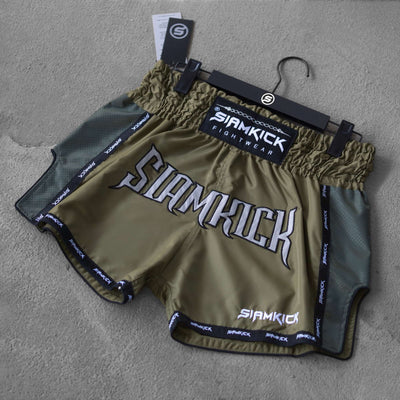
El material también juega un papel menor pero real. Una guardia pensada para bloquear patadas y rotar las caderas necesita un pantalón que no pelee con tu rango de movimiento: uno demasiado ajustado en el muslo o que sube a mitad de patada cambia cómo te mueves sin que te des cuenta de que la culpa es del pantalón y no de tu técnica. Merece la pena entrenar con un par hecho para la rotación completa de cadera y no con el pantalón de gimnasio que hubiera en la bolsa.
Con la guardia bien puesta, todo lo demás en Muay Thai se aprende más fácil. Las patadas entran con más equilibrio, los bloqueos salen antes y el clinch deja de parecer un forcejeo. Es trabajo poco vistoso comparado con aprender un codo giratorio, pero todos los luchadores que valen algo dedicaron tiempo real justo a esto antes de que nadie les dejara acercarse a un saco. Si acabas de empezar, nuestra guía sobre qué esperar antes de tu primer combate cubre los demás fundamentos que conviene tener pronto.